
Telecom Expense Management: How Macronet Services and E78 Help Enterprises Reduce Costs and Optimize Network Investments
The Hidden Costs of Enterprise Telecom Infrastructure
For many enterprises, telecommunications and network infrastructure represent a significant portion of their recurring IT operating expenses. Yet these costs often receive less scrutiny than cloud computing, cybersecurity, or software licensing.
Over time, telecom environments become increasingly complex. Organizations add locations, expand cloud connectivity, introduce SD-WAN solutions, deploy new collaboration platforms, and negotiate services with multiple carriers.
The result? A fragmented collection of contracts, invoices, circuits, and services that can be difficult to manage.
Common sources of unnecessary telecom spending include:
- Unused or disconnected services that continue generating monthly invoices.
- Billing discrepancies involving incorrect rates, discounts, or contract terms.
- Legacy circuits and network services that are no longer cost-effective.
- Auto-renewing contracts that prevent organizations from taking advantage of competitive pricing.
- Fragmented vendor relationships that reduce purchasing leverage.
- Overprovisioned bandwidth that exceeds actual business requirements.
For organizations spending hundreds of thousands or millions of dollars annually on telecommunications, even modest improvements can translate into meaningful financial savings.
That is where a comprehensive Telecom Expense Management strategy delivers value.
Beyond Traditional Telecom Expense Management
Traditional Telecom Expense Management (TEM) has largely focused on collecting invoices, identifying billing errors, and recovering overpayments.
While these activities remain important, today’s enterprises need a broader approach.
Modern TEM should combine financial visibility with strategic network optimization.
It is no longer enough to ask:
“Are we paying the correct amount for our telecom services?”
Organizations should also be asking:
“Are we purchasing the right network services, from the right providers, at the right price?”
This distinction is critical.
An enterprise could have perfectly accurate telecom invoices and still be overspending significantly because its contracts are outdated, network architecture is inefficient, or providers are no longer competitively priced.
The greatest value of TEM comes from combining expense management with network strategy and procurement expertise.
Macronet Services and E78: Connecting Network Expertise With Financial Intelligence
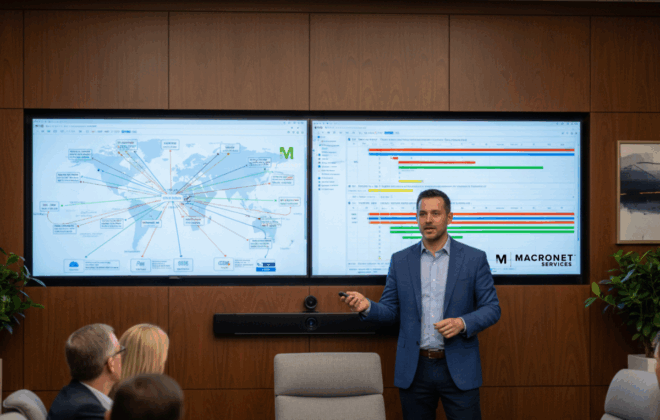
Through collaboration with E78, Macronet Services brings together two complementary disciplines: enterprise network consulting and technology expense optimization.
Macronet Services specializes in helping organizations evaluate, design, procure, and optimize telecommunications and cloud networking infrastructure. Our expertise spans enterprise WAN, SD-WAN, cloud connectivity, carrier sourcing, colocation, and network transformation.
E78 brings expertise in Technology Expense Management, financial analysis, invoice auditing, contract compliance, cost recovery, vendor management, and ongoing expense governance.
Together, these capabilities support a more comprehensive approach to controlling enterprise technology spending.
Rather than looking at telecom invoices in isolation, this approach evaluates the relationship between an organization’s network architecture, vendor contracts, service inventory, and financial performance.
The goal is straightforward: reduce unnecessary spending without sacrificing network reliability, performance, or business continuity.
Five Ways Strategic Telecom Expense Management Creates Business Value
- Identify Billing Errors and Recover Unnecessary Expenses
Telecommunications invoices are notoriously complex, particularly for enterprises operating across multiple locations and service providers.
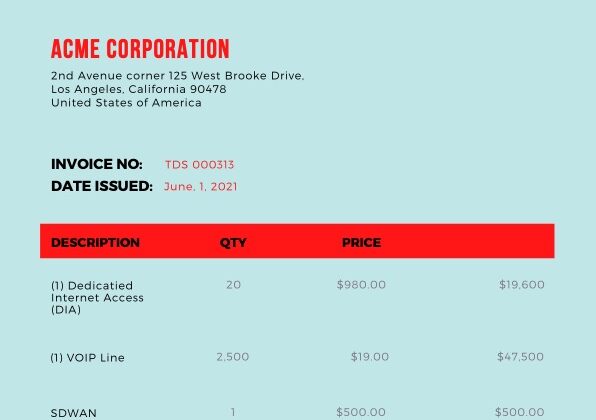
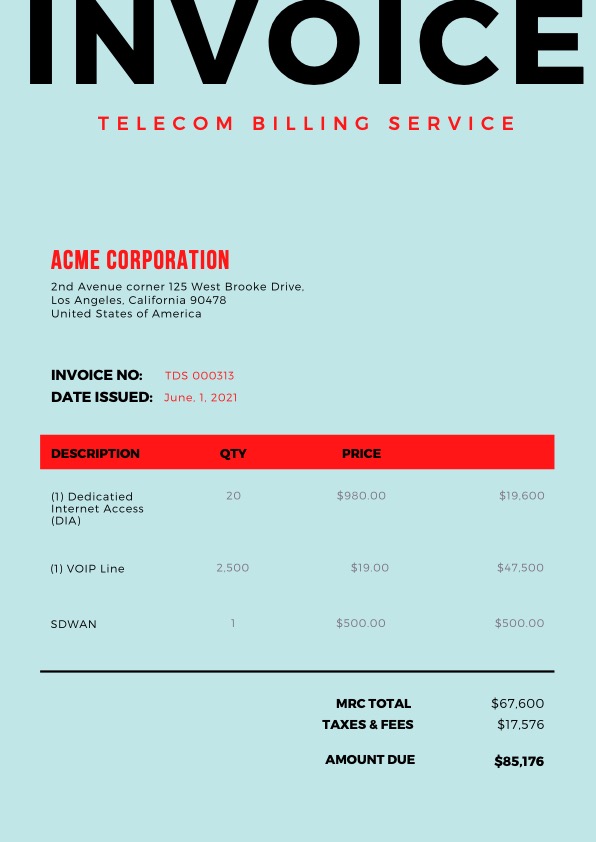
A detailed expense review can uncover incorrect rates, missed discounts, duplicate charges, disconnected circuits that remain on invoices, and services that are no longer required.
These issues can persist for months or even years without dedicated oversight.
An effective TEM program identifies discrepancies, pursues applicable credits, and establishes processes to prevent recurring billing errors.
- Optimize Existing Carrier Contracts
Many organizations continue operating under telecommunications agreements negotiated years ago.
Since then, carrier pricing, network technology, and competitive alternatives may have changed substantially.
Macronet Services helps enterprises evaluate existing carrier agreements against available market alternatives.
This process can uncover opportunities to renegotiate pricing, consolidate vendors, upgrade bandwidth, or transition to more cost-effective connectivity solutions.
Importantly, optimization does not always require replacing an existing provider.
In many cases, organizations can realize savings by restructuring commercial agreements while preserving their existing infrastructure.
- Align Network Infrastructure With Business Requirements
One of the biggest limitations of traditional TEM is its emphasis on expenses rather than infrastructure design.
Consider an enterprise paying for several legacy WAN circuits across its locations.
The invoices may be accurate, but the underlying architecture may no longer represent the most efficient approach.
A strategic review might identify opportunities to:
- Replace expensive legacy connectivity with modern Ethernet or DIA services.
- Evaluate SD-WAN and hybrid WAN architectures.
- Right-size bandwidth based on current utilization.
- Consolidate unnecessary circuits and network vendors.
- Optimize connectivity to AWS, Microsoft Azure, Oracle Cloud Infrastructure, and Google Cloud.
- Improve network resilience while reducing unnecessary infrastructure duplication.
The objective is not simply to make the network cheaper.
It is to make the network more efficient, scalable, and financially sustainable.
- Improve Visibility for CFOs, CIOs, and IT Leadership
Telecom expenses frequently span multiple business functions.
IT departments manage the infrastructure. Procurement negotiates contracts. Finance processes invoices. Business units request new services.
Without centralized oversight, organizations can struggle to understand their total telecommunications spending.
A comprehensive TEM strategy provides a clearer picture of service inventory, recurring expenses, vendor obligations, and opportunities for improvement.
This visibility enables CFOs and CIOs to collaborate more effectively on technology investment decisions.
Finance gains better expense predictability and accountability, while IT gains insights that support network modernization and operational efficiency.
- Establish Continuous Cost Optimization
Telecom Expense Management should not be a one-time project.
Even after an organization completes a comprehensive cost audit, changes to its infrastructure can create new inefficiencies.
New locations open. Offices close. Bandwidth requirements change. Contracts expire. Providers introduce new pricing.
Without ongoing governance, previously eliminated expenses can reappear.
A sustainable TEM program continuously monitors service inventories, contract renewals, billing accuracy, and optimization opportunities.
This creates a repeatable process for keeping technology spending aligned with business requirements.
Real-World Results: Why Strategic TEM Matters
E78 has demonstrated the financial impact of a data-driven Technology Expense Management approach.
In one published case study involving a Fortune 500 mobility and auto rental company, E78 identified substantial savings opportunities across a complex IT and telecommunications environment.
Reported results included:
- 7% reduction in IT and telecom costs within 90 days.
- $154,000 recovered in unused vendor funds.
- $237,000 in identified monthly savings, representing more than $2.5 million annually.
- Improvements in billing and accounts payable processes.
These results illustrate an important distinction: meaningful cost optimization requires more than invoice automation. It requires financial analysis, vendor accountability, and operational execution.
Source: E78, “Beyond Traditional TEM: Transforming IT Spend With Data-Driven Cost Optimization.” Results represent a specific client engagement and are not guaranteed outcomes.
Why Network Expertise Matters in Telecom Expense Management
Financial auditing is essential, but identifying the most effective telecommunications strategy requires a deep understanding of network technology and carrier markets.
A traditional expense review might identify a circuit costing $5,000 per month.
A network consultant takes the analysis further:
Is that circuit still necessary? Is the bandwidth appropriate? Could another carrier deliver equal or better performance? Is there a more efficient architecture? Could services be consolidated without creating additional operational risk?
These questions can uncover savings opportunities that invoice auditing alone might miss.
Macronet Services brings practical network engineering, architecture, and carrier sourcing experience into the expense optimization process.
Combined with E78’s financial and operational capabilities, this approach helps organizations address both the cost of their network and the business value it delivers.
The Bottom Line: Telecom Expense Management Is a Strategic Advantage
As enterprises expand their investments in cloud computing, AI infrastructure, cybersecurity, and digital transformation, telecommunications remain essential to business operations.
However, growing connectivity requirements should not automatically translate into uncontrolled operating expenses.
A modern Telecom Expense Management strategy helps organizations reduce waste, improve financial visibility, strengthen vendor accountability, and make smarter infrastructure investments.
By bringing together Macronet Services’ enterprise network expertise and E78’s Technology Expense Management capabilities, organizations can take a more strategic approach to managing their telecommunications investments.
The question is no longer simply how much your organization spends on telecommunications. It is whether that spending delivers the best possible business value.
Ready to Find Hidden Savings in Your Telecom Environment?
Macronet Services helps organizations identify opportunities to reduce network expenses, optimize carrier agreements, and modernize their telecommunications infrastructure.
Whether your organization operates a handful of locations or manages a complex global network, a comprehensive review can uncover opportunities to improve efficiency and reduce recurring costs.
Contact Macronet Services to discuss a Telecom Expense Management assessment and explore how our work with E78 can help your organization take control of its technology spending.
Learn more: Macronet Services | E78 Technology Expense Management