

Data Center Colocation in Florida: Pricing, Connectivity, Power & Provider Guide
Discover how data center colocation in Florida enables enterprises to deploy high-performance infrastructure with scalable power, advanced cooling, and carrier-neutral connectivity. This guide explores pricing, network architecture, and hybrid cloud integration—while showing how Macronet Services helps businesses identify the best facilities and design optimized, resilient infrastructure solutions.

Securing AI Across a Global WAN – The Definitive Technical Guide for 2026
Securing AI across a global enterprise WAN requires more than traditional web or cloud security. AI traffic carries intent, context, and autonomous execution, making destination- and identity-based controls insufficient. This guide explains how WAN-native, inline security enforces semantic inspection at inference time, governs prompts, RAG pipelines, and agent actions, and applies consistent policy across users, APIs, SaaS platforms, and regions—before AI systems act.

Data Center Colocation in New York and New Jersey: Pricing, Connectivity, Power & Provider Guide
Explore data center colocation in New York and New Jersey, including pricing, power, carrier-neutral connectivity, cloud on-ramps, and how to choose the right provider. Learn how Macronet Services helps businesses compare colocation facilities, network options, and multicloud connectivity strategies across one of the world’s most important infrastructure markets.

Data Center Colocation in London: Pricing, Connectivity, Power & Provider Guide
London has become one of the world’s most important markets for data center colocation, offering dense fiber infrastructure, global carrier connectivity, and direct access to major cloud platforms. This guide explains how colocation works, typical pricing models, power and cooling architecture, and how enterprises can leverage London’s carrier-neutral data centers to build resilient hybrid and multicloud infrastructure. It also explores how Macronet Services helps organizations compare providers, evaluate connectivity ecosystems, and design high-performance network architectures in the London data center market.

How to Choose a Technology Advisor in 2026
In 2026, choosing the right technology advisor is a strategic business decision. This executive guide explains how modern advisors help organizations navigate AI adoption, network design, cybersecurity risk, hybrid cloud, and global connectivity—shifting from vendor selection to outcome-driven technology success partnerships.
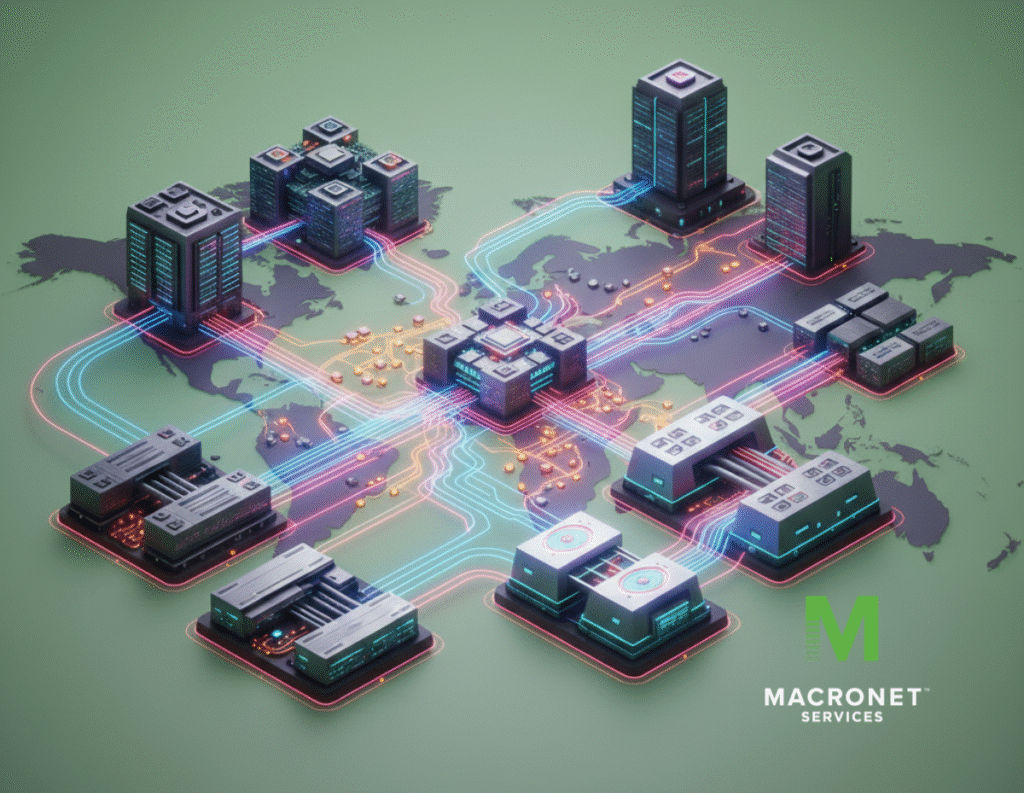
The Ultimate Guide to Equinix Competitors in 2026
Enterprises evaluating Equinix in 2026 have more—and often better—options. This in-depth guide compares leading Equinix competitors including Digital Realty, Megaport, AI-first data center providers, and regional specialists. Learn when Equinix still wins, where alternatives outperform, and how CIOs can design a hybrid infrastructure strategy optimized for AI, cloud, cost, and scalability.
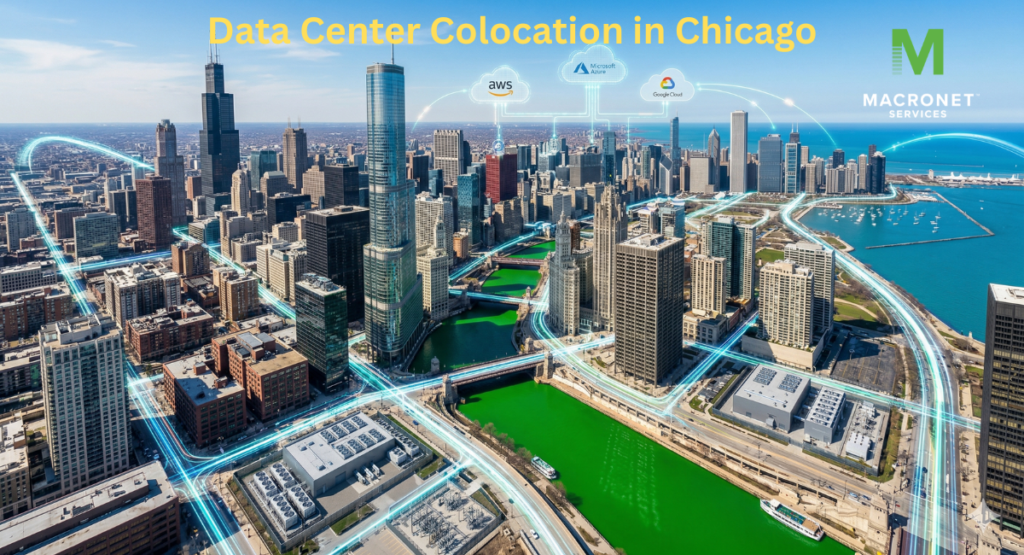
Data Center Colocation in Chicago: Pricing, Connectivity, Power & Provider Guide
Explore data center colocation in Chicago, a central U.S. hub for low-latency connectivity, carrier-neutral networks, and cloud interconnection. Learn how Macronet Services helps enterprises compare providers, optimize infrastructure, and design high-performance hybrid and multicloud environments.
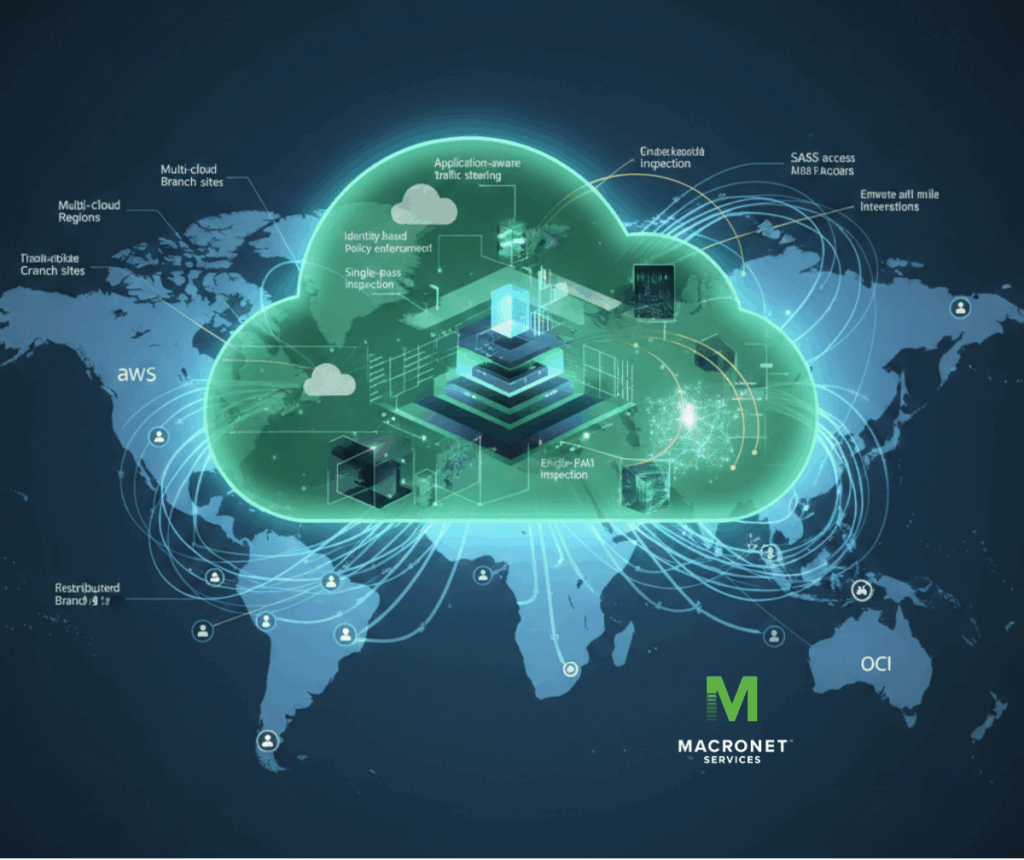
Cato Networks Deep Dive: A Technical SD-WAN & SASE Architecture Guide for Senior Network Engineers
Cato Networks is not a traditional SD-WAN appliance with security bolted on—it’s a cloud-native SASE platform where networking and security converge inside a global PoP-based backbone. This deep technical guide breaks down how Cato actually works under the hood, from Socket-to-PoP datapaths and single-pass security inspection to multi-cloud connectivity, China architectures, resiliency behavior, and real-world evaluation criteria senior engineers should test before choosing a platform.

ROI of AI: How Network Bottlenecks are Wasting 30% of Your GPU Investment
Are you paying for peak GPU performance but only getting 70% results? In 2026, the network is the hidden bottleneck of the AI era. Discover why unoptimized fabrics are “taxing” enterprise AI investments by up to 30% through tail latency and GPU starvation. Learn how to reclaim your ROI by transitioning to a lossless, AI-ready network fabric with Macronet Services.

What is an AI Readiness Assessment? The 2026 Executive Guide to Enterprise Scaling
Is your organization truly ready for the AI revolution, or are you courting technical debt? In 2026, a successful AI strategy requires more than just software—it demands a foundational audit of your data, infrastructure, and governance. Discover what is included in a typical AI Readiness Assessment and why business leaders trust the team at Macronet Services to build their enterprise roadmap. Don’t scale until you’re ready.