

Meter vs. Nile: Enterprise Network as a Service Comparison
Compare Meter vs. Nile in this comprehensive enterprise Network as a Service guide. Explore their differences in architecture, security, WAN capabilities, pricing, deployment, service responsibilities, and ideal use cases to determine which managed NaaS model best fits your organization.
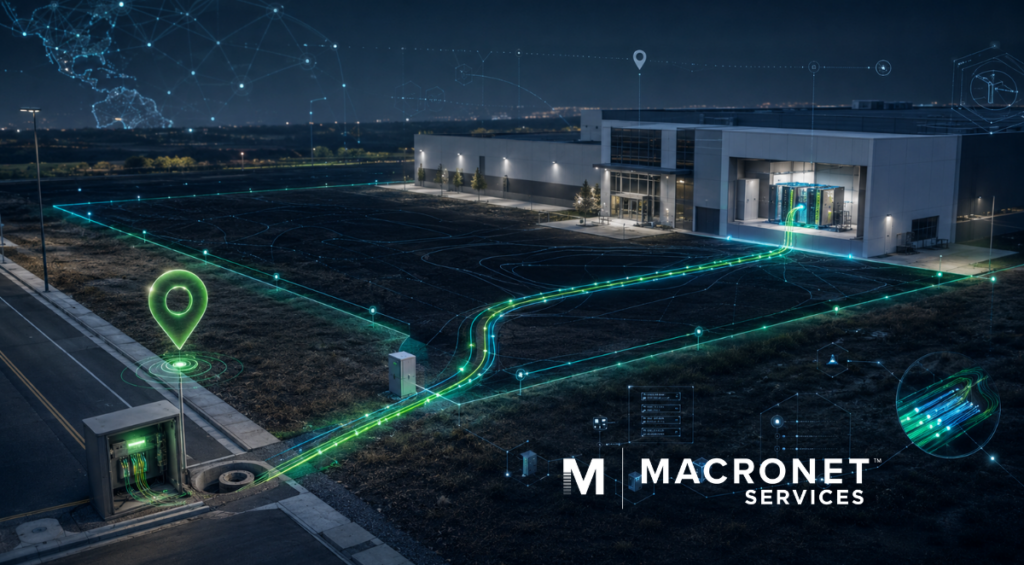
Greenfield Telecom Provisioning: The CIO’s Address Validation Guide
Greenfield telecom provisioning can delay new facility launches when carriers cannot validate a new address, quote fiber, or identify a demarcation point. This guide explains how CIOs can use address assignment letters, KMZ/KML files, MPOE planning, OSP engineering, and Special Construction Charge negotiations to get fiber backhaul, DIA, dark fiber, and SD-WAN underlay services ready before opening day.
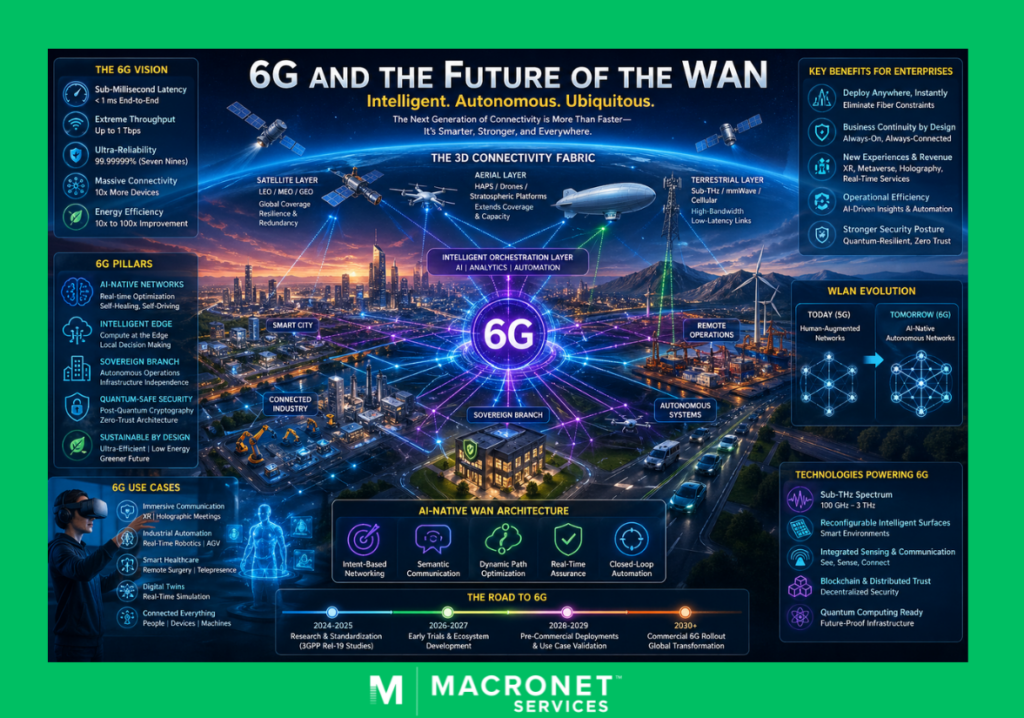
What Is 6G? How 6G Will Transform the Wide Area Network (WAN) and Enterprise Connectivity
Discover how 6G and the future of the WAN are redefining enterprise networking, AI-native infrastructure, and next-generation connectivity strategies.

Anthropic Mythos and Project Glasswing: Why AI Is Redefining Cybersecurity for Enterprise Leaders
Anthropic Mythos and Project Glasswing signal a major shift in cybersecurity—where AI-driven discovery outpaces response, forcing CIOs and CISOs to rethink enterprise security strategy.
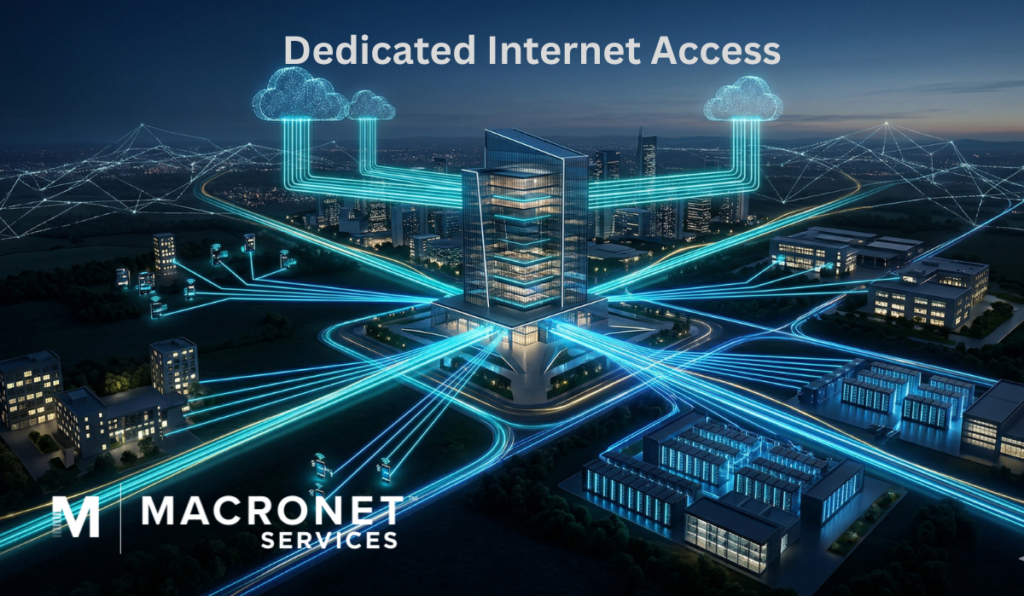
Dedicated Internet Access (DIA): What It Is, Pricing, Providers & Business Benefits (2026 Guide)
What is dedicated internet access? Explore DIA architecture, pricing, providers, and how businesses use it for secure, high-performance network connectivity.
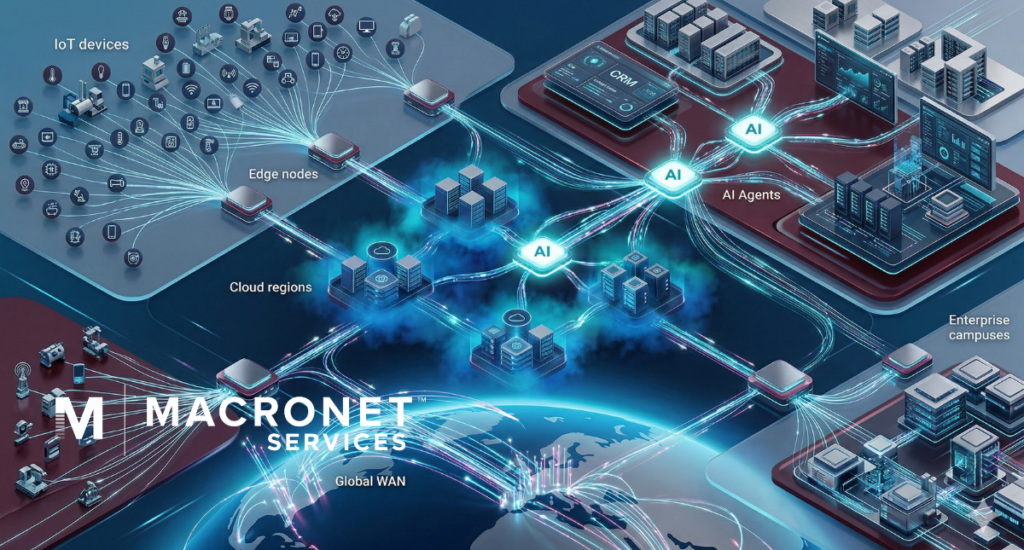
Network Infrastructure Consulting in 2026: How AI, CX, IoT, and Modern WAN Strategy Are Reshaping Business Networks
Network infrastructure consulting in 2026 is critical for businesses adopting AI, CX, IoT, and modern WAN strategies. Learn how IT network consultants and network design consulting enable scalable, secure, AI-ready business networks.
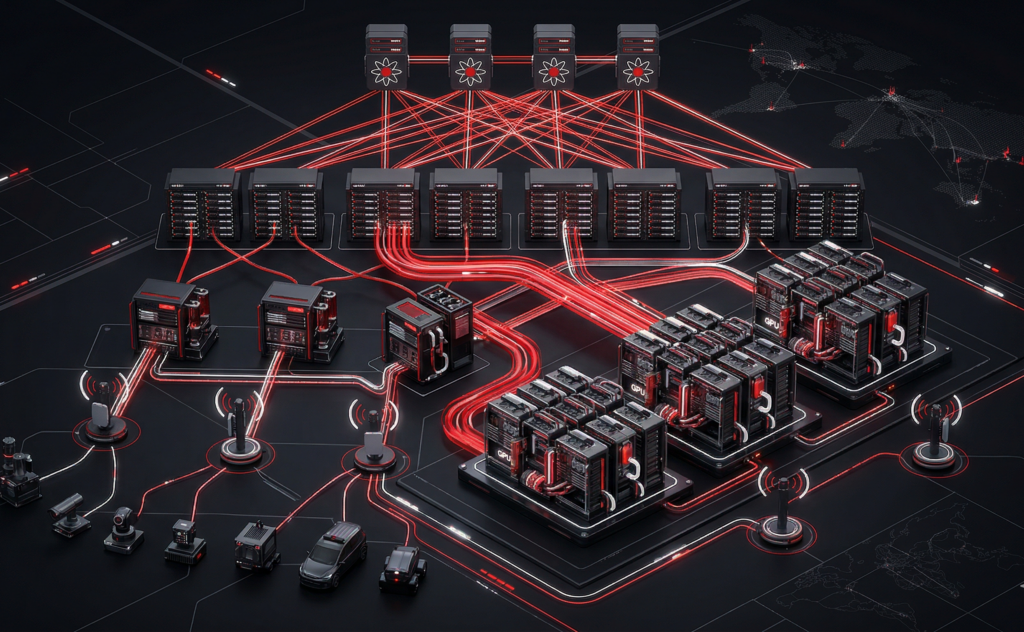
Verizon AI Connect Explained: Architecture, Use Cases, and AI Infrastructure Strategy for Enterprise Networks
Verizon AI Connect is redefining enterprise AI infrastructure by combining private 5G, edge computing (MEC), and high-performance GPU networks. This deep dive explores its architecture, use cases, and how organizations can reduce latency, optimize data movement, and scale distributed AI workloads for their networks.
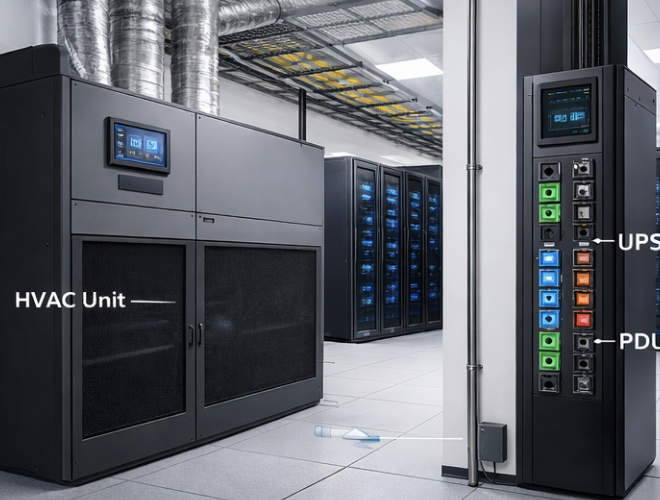
Top 5 Colocation Data Center Providers in 2026
Adaptive Network Control and Network as a Service (NaaS) are transforming the modern WAN into an autonomous, AI-ready network. This in-depth guide explains how real-time optimization, elastic bandwidth, cost-aware routing, and Tier 1 ISP integration enable enterprises to scale AI workloads securely and efficiently. Discover how Macronet Services designs Adaptive NaaS architectures for global performance and resilience.
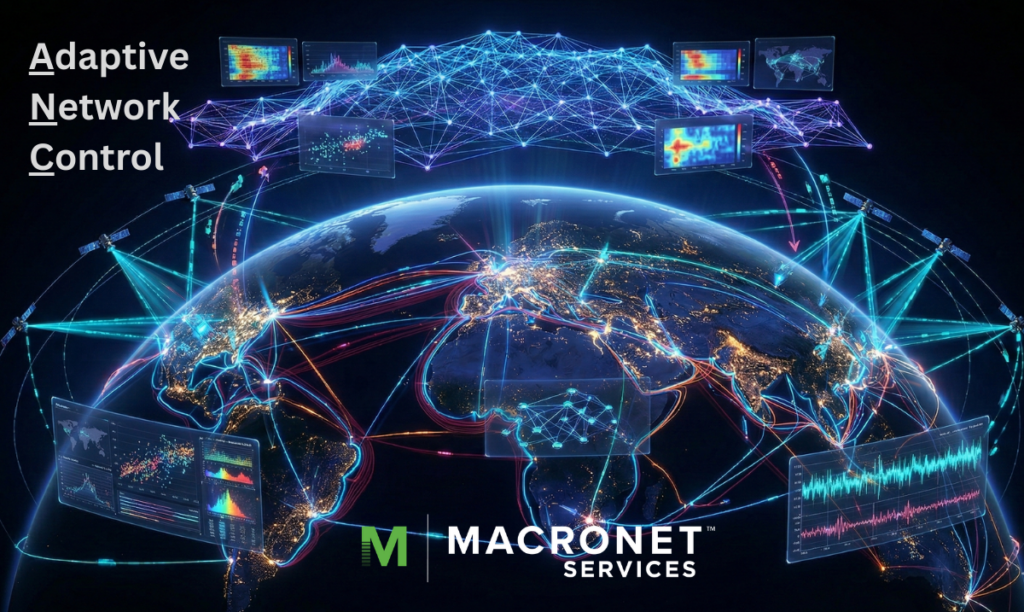
Adaptive Network Control in Network as a Service (NaaS): The Architecture of the AI-Ready WAN in 2026
Adaptive Network Control and Network as a Service (NaaS) are transforming the modern WAN into an autonomous, AI-ready network. This in-depth guide explains how real-time optimization, elastic bandwidth, cost-aware routing, and Tier 1 ISP integration enable enterprises to scale AI workloads securely and efficiently. Discover how Macronet Services designs Adaptive NaaS architectures for global performance and resilience.

Amazon LEO (Project Kuiper): Enterprise Guide to Satellite WAN Performance & Latency
Amazon LEO (Project Kuiper) is Amazon’s Low Earth Orbit satellite network designed for enterprise WAN performance, low latency, and AI-ready connectivity. This executive guide explains satellite architecture, 20–40 ms latency expectations, AWS integration, resilience strategy, and how Macronet Services helps organizations design and deploy optimized global hybrid networks.