
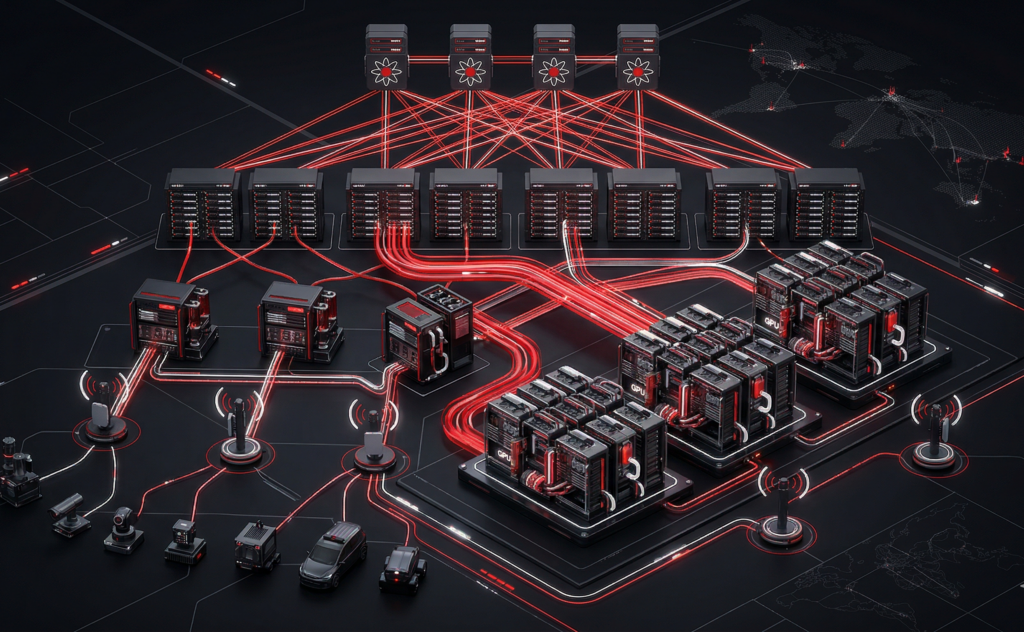
Verizon AI Connect Explained: Architecture, Use Cases, and AI Infrastructure Strategy for Enterprise Networks
Verizon AI Connect is redefining enterprise AI infrastructure by combining private 5G, edge computing (MEC), and high-performance GPU networks. This deep dive explores its architecture, use cases, and how organizations can reduce latency, optimize data movement, and scale distributed AI workloads for their networks.
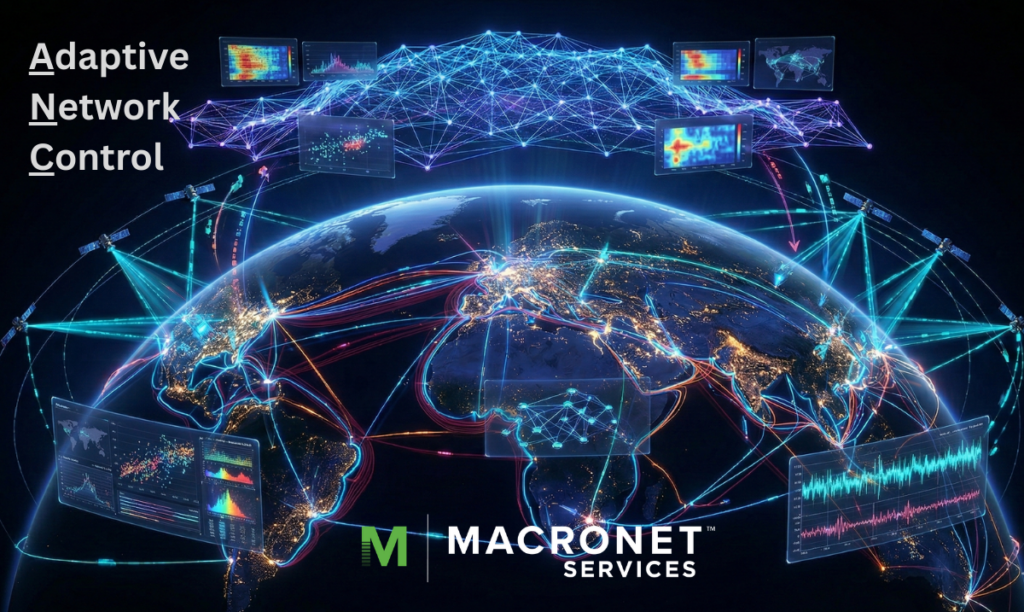
Adaptive Network Control in Network as a Service (NaaS): The Architecture of the AI-Ready WAN in 2026
Adaptive Network Control and Network as a Service (NaaS) are transforming the modern WAN into an autonomous, AI-ready network. This in-depth guide explains how real-time optimization, elastic bandwidth, cost-aware routing, and Tier 1 ISP integration enable enterprises to scale AI workloads securely and efficiently. Discover how Macronet Services designs Adaptive NaaS architectures for global performance and resilience.
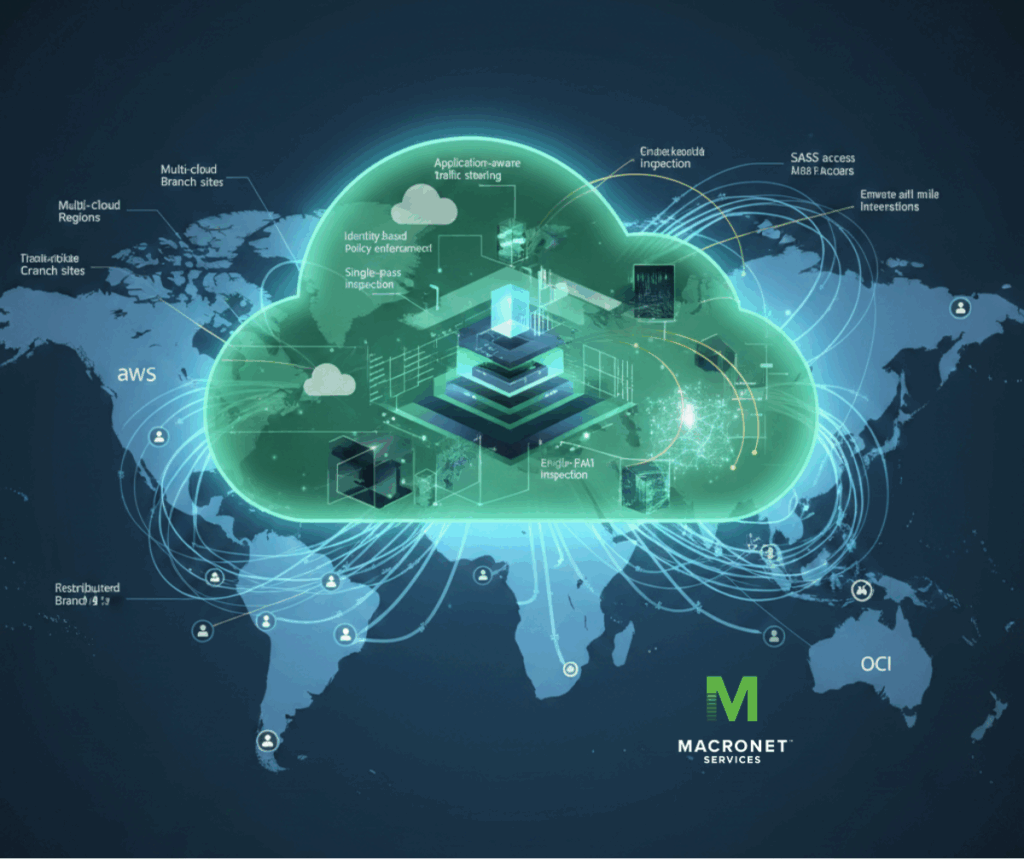
Cato Networks Deep Dive: A Technical SD-WAN & SASE Architecture Guide for Senior Network Engineers
Cato Networks is not a traditional SD-WAN appliance with security bolted on—it’s a cloud-native SASE platform where networking and security converge inside a global PoP-based backbone. This deep technical guide breaks down how Cato actually works under the hood, from Socket-to-PoP datapaths and single-pass security inspection to multi-cloud connectivity, China architectures, resiliency behavior, and real-world evaluation criteria senior engineers should test before choosing a platform.

Sourcing and Architecting Next-Gen Connectivity: The Enterprise Guide to Wireless Network Consulting
Expert wireless network consulting helps enterprises design, source, and secure next-gen connectivity across Wi-Fi 7, Private 5G, LEO satellite, IoT, SASE, Zero Trust, and NaaS architectures.

Meter vs. Nile: Enterprise Network as a Service Comparison
Compare Meter vs. Nile in this comprehensive enterprise Network as a Service guide. Explore their differences in architecture, security, WAN capabilities, pricing, deployment, service responsibilities, and ideal use cases to determine which managed NaaS model best fits your organization.
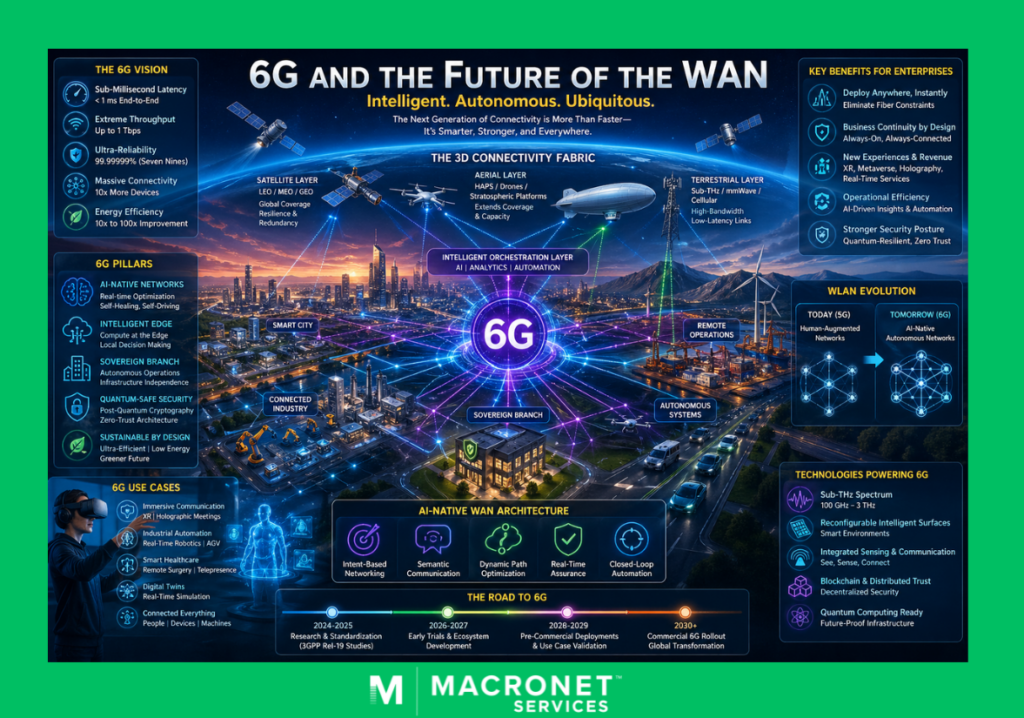
What Is 6G? How 6G Will Transform the Wide Area Network (WAN) and Enterprise Connectivity
Discover how 6G and the future of the WAN are redefining enterprise networking, AI-native infrastructure, and next-generation connectivity strategies.
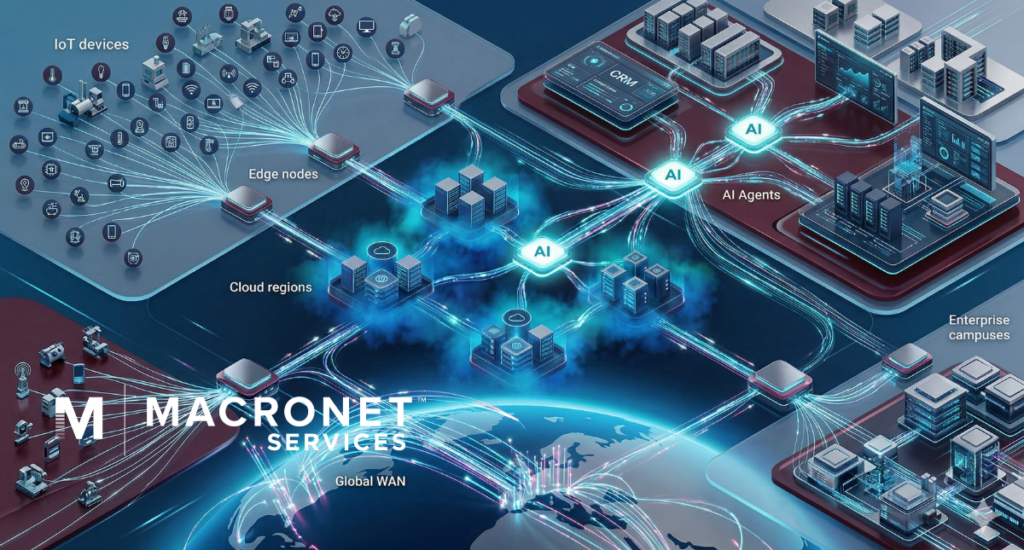
Network Infrastructure Consulting in 2026: How AI, CX, IoT, and Modern WAN Strategy Are Reshaping Business Networks
Network infrastructure consulting in 2026 is critical for businesses adopting AI, CX, IoT, and modern WAN strategies. Learn how IT network consultants and network design consulting enable scalable, secure, AI-ready business networks.

Network Infrastructure Consulting
Network Infrastructure Consulting is no longer a tactical IT exercise — it is a strategic business decision that directly impacts AI readiness, cloud performance, cybersecurity posture, and enterprise cost optimization. In this comprehensive guide, we explain how business leaders should evaluate a network infrastructure consulting firm, why boutique technical expertise often outperforms large generalist firms, and what to look for in leadership experience, carrier relationships, and global WAN design capability.
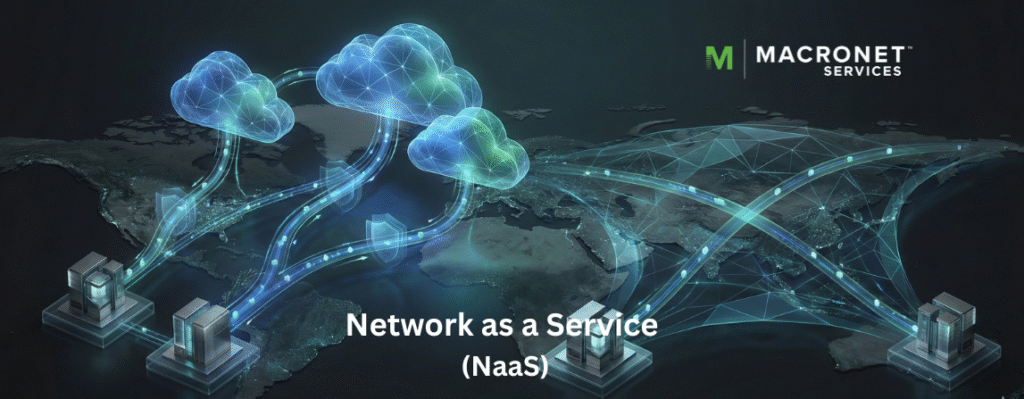
Network as a Service (NaaS): The Enterprise Guide to Flexible Dedicated Internet Access and AI-Ready Connectivity
Network as a Service (NaaS) is transforming enterprise connectivity by replacing static Dedicated Internet Access (DIA) circuits with elastic, software-defined infrastructure designed for multi-cloud and AI workloads. This guide explains NaaS architecture, SLA structures, Tier-1 ISP backbone considerations, integrated security, and bandwidth scalability—helping enterprises design flexible, AI-ready internet connectivity aligned with modern digital transformation strategies.

Tier-1 ISPs and Global Enterprise Networks: Performance, Resilience, and Risk Explained
As enterprises become increasingly global, the Internet has evolved into mission-critical infrastructure. Yet many organizations still treat backbone connectivity as a commodity decision rather than a strategic architectural choice. This paper examines why Tier-1 Internet Service Providers occupy a structurally distinct position in the global Internet—and how that position translates into measurable benefits for performance predictability, resilience, risk management, and long-term enterprise network strategy. Designed for senior executives and network leaders, it explains when Tier-1 connectivity matters, when it does not, and how backbone choice shapes global enterprise outcomes.